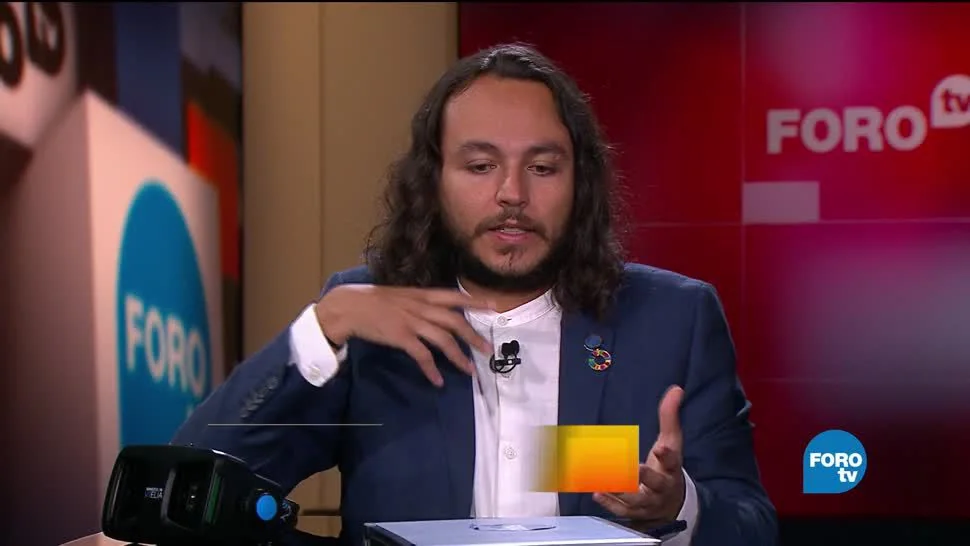
On Televisa's Fractal: virtual reality as a tool for the reef
National television picks up the question of what emerging technology is actually for — and what a dive you never take can still teach you.
As new technologies are created, commercialised and spread, so are the many uses they can be put to — often positive, but sometimes not.
Virtual and augmented reality are not exempt from this tension. Creators and users alike are responsible for consuming and making content that has a positive impact on society.
In response, Roberto Cerda collaborated on founding the Institute of Mixed Realities, with the aim that VR and AR technology should generate beneficial change — taking advantage of one of their principal strengths, the ability to bring a person into an environment they would otherwise never reach.
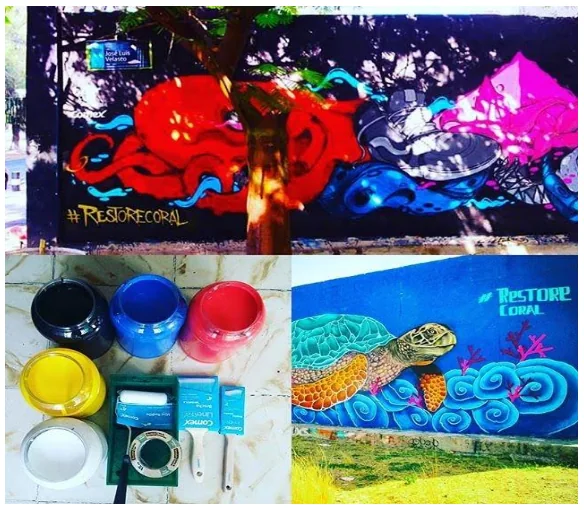
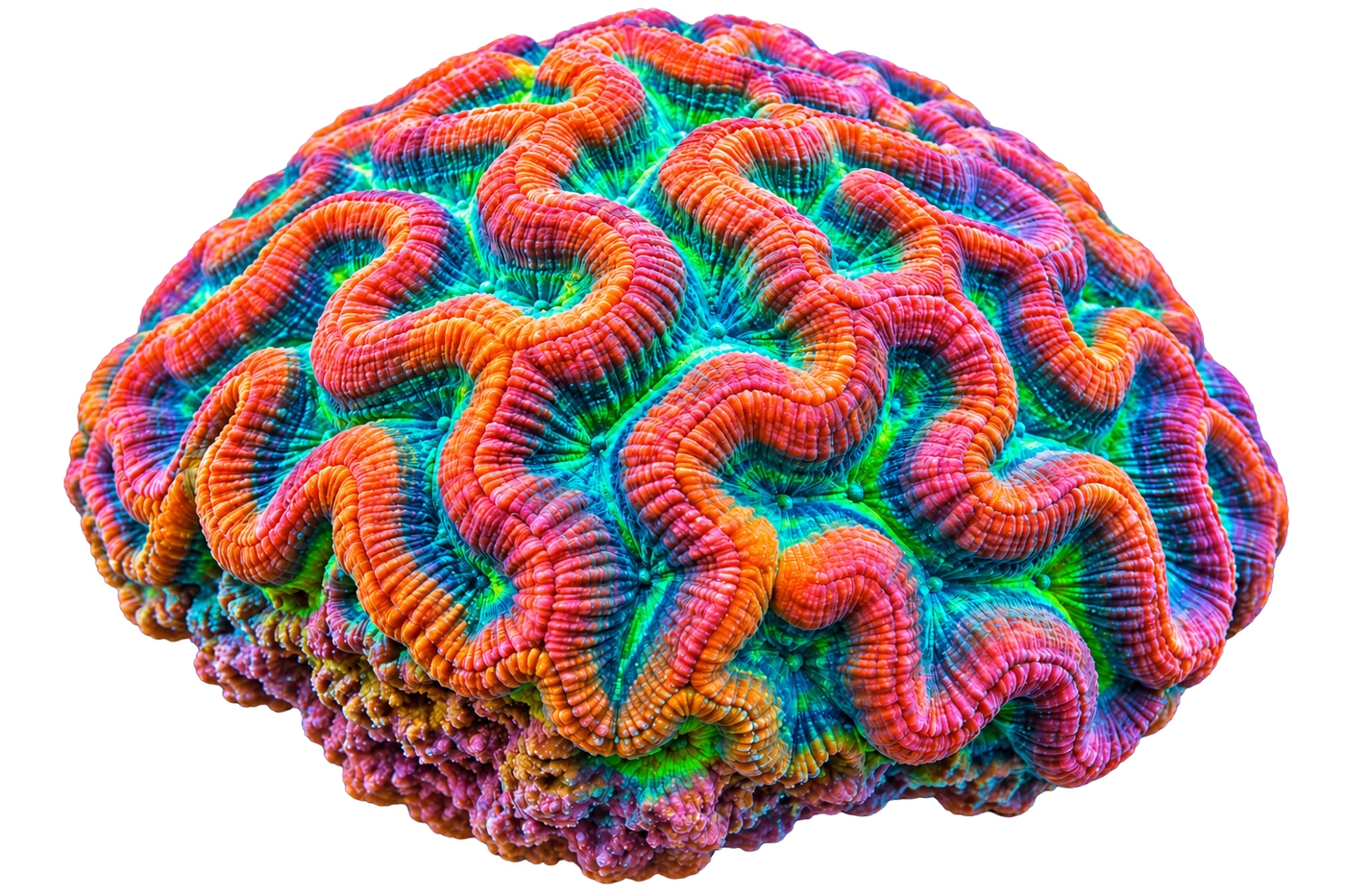
Restore Coral is one of the initiatives achieving this. The density of the Mesoamerican Reef has fallen sharply, which creates both the need and the obligation to restore what has been lost and protect what remains. This reef sustains an enormous amount of marine life.
We have used VR and AR to bring people close to the experience of diving without causing any damage — and, more importantly, to make them aware of what is being lost, and to invite them to take action in the real world.
This work contributed to a commitment with the government of Quintana Roo to plant corals over the following five years, in the second largest coral reef system in the world.
Keep reading