
Reproduction
Understanding coral spawning, life cycles and larvae.

Research & Science
We study how corals reproduce, grow and respond to changing conditions so that restoration can be guided by the life of the reef itself.
Science for restoration
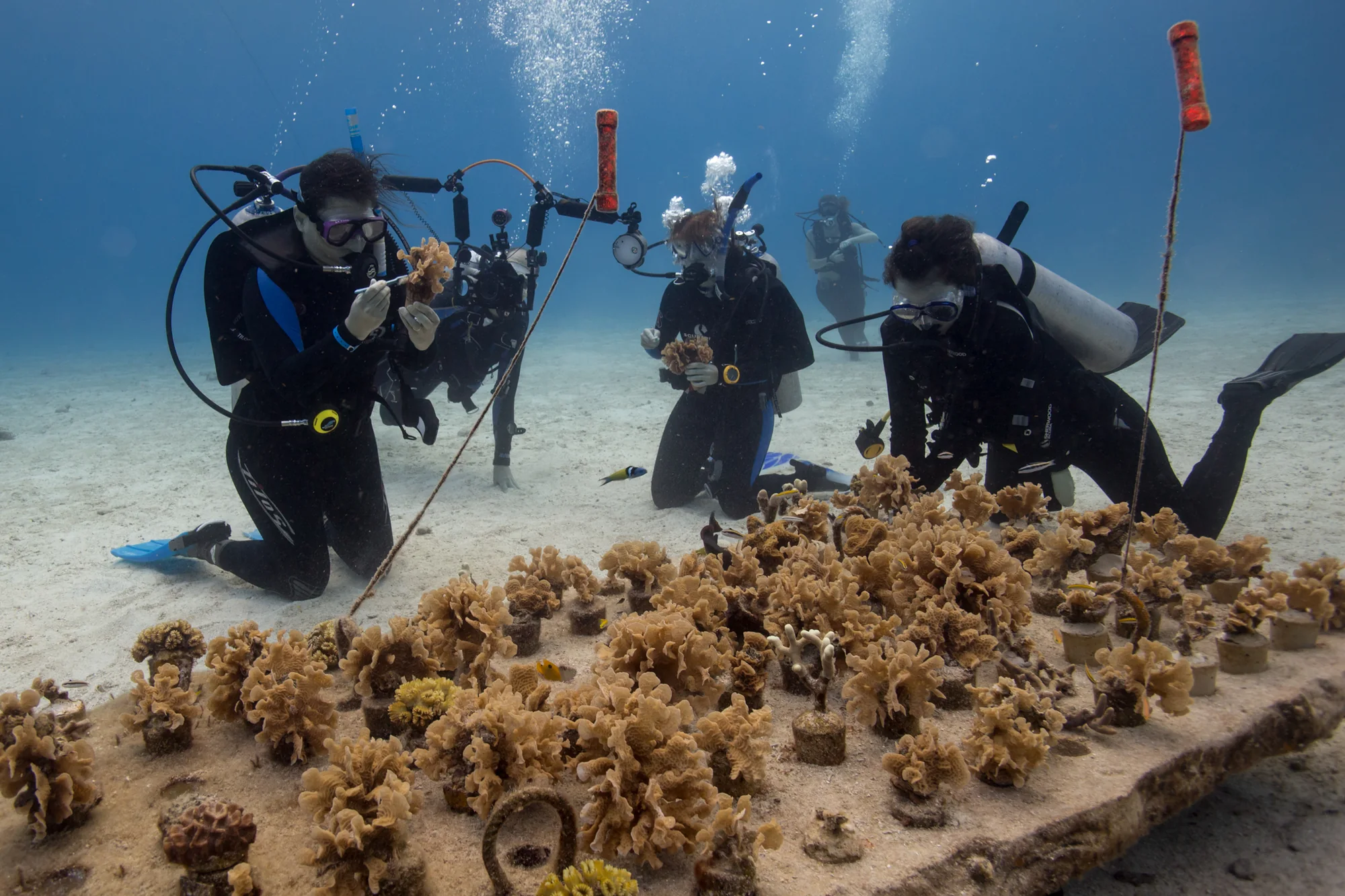
Every coral species has its own rhythms of reproduction, growth and recovery. Understanding those rhythms helps us make better decisions about how corals are cultivated, cared for and returned to the reef.
Understanding coral spawning, life cycles and larvae.
Improving how coral fragments and young colonies are cultivated and cared for.
Exploring how biological diversity can help reefs respond to disease, warming and other pressures.
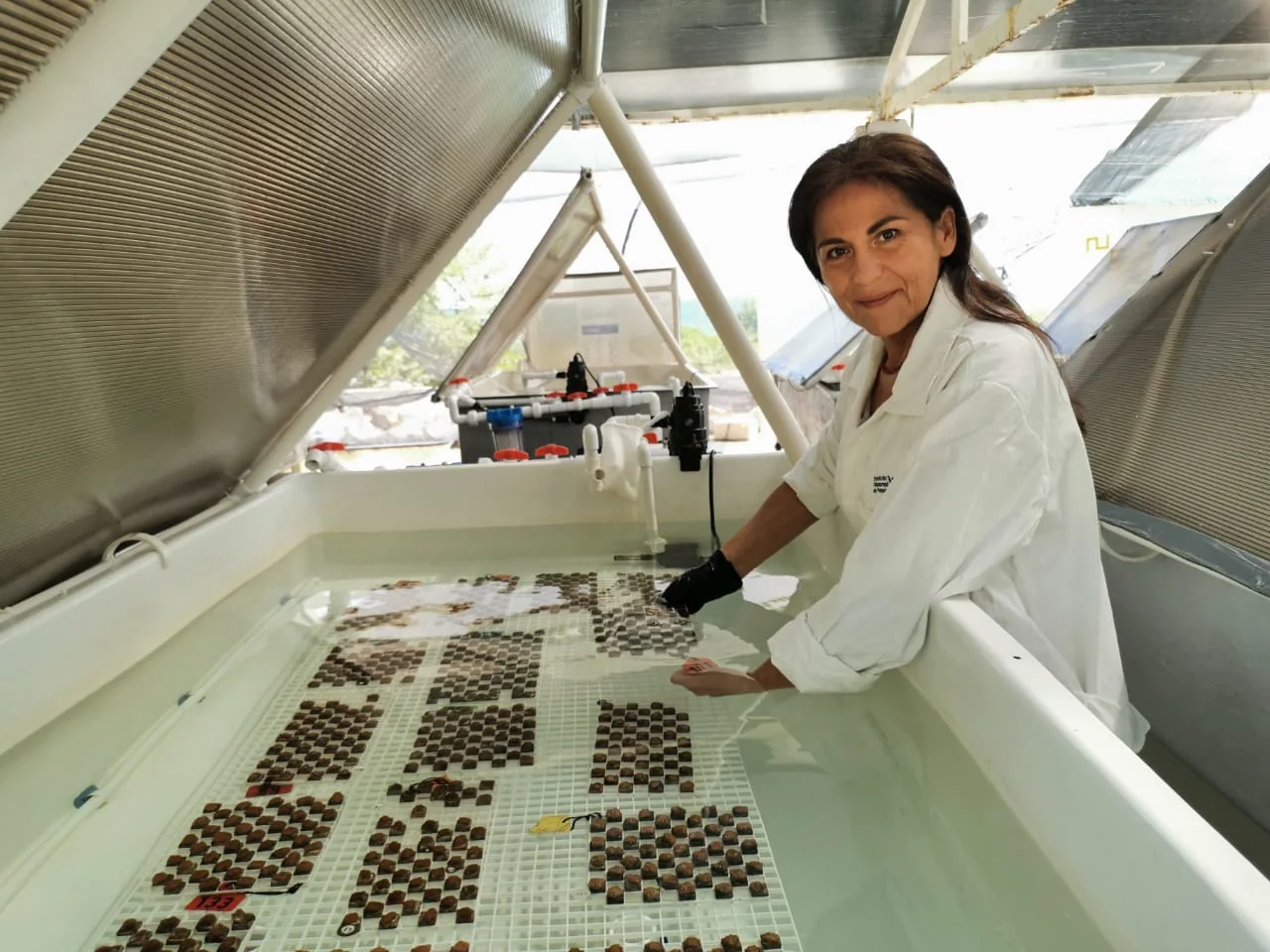
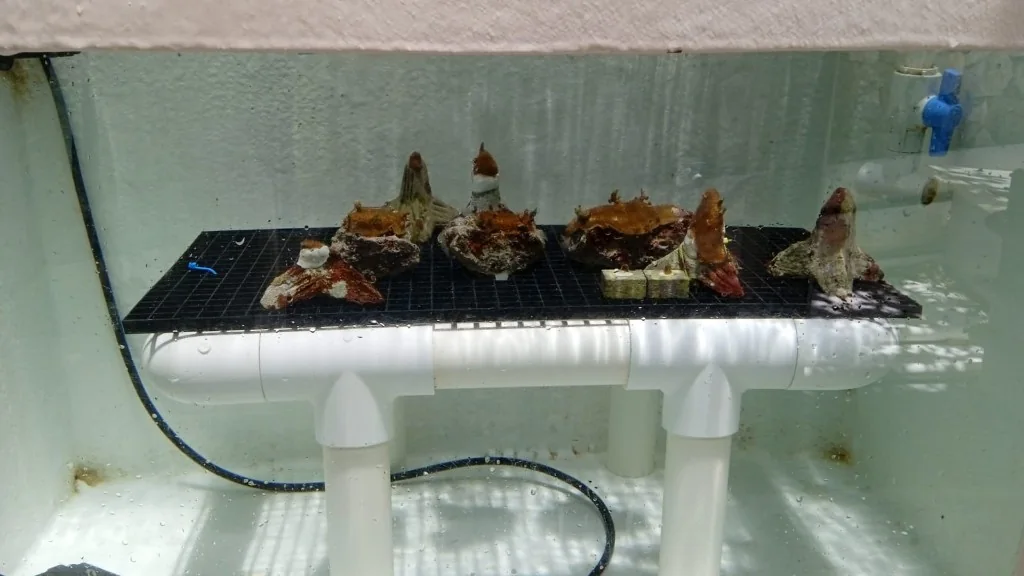
Our headquarters in Cozumel
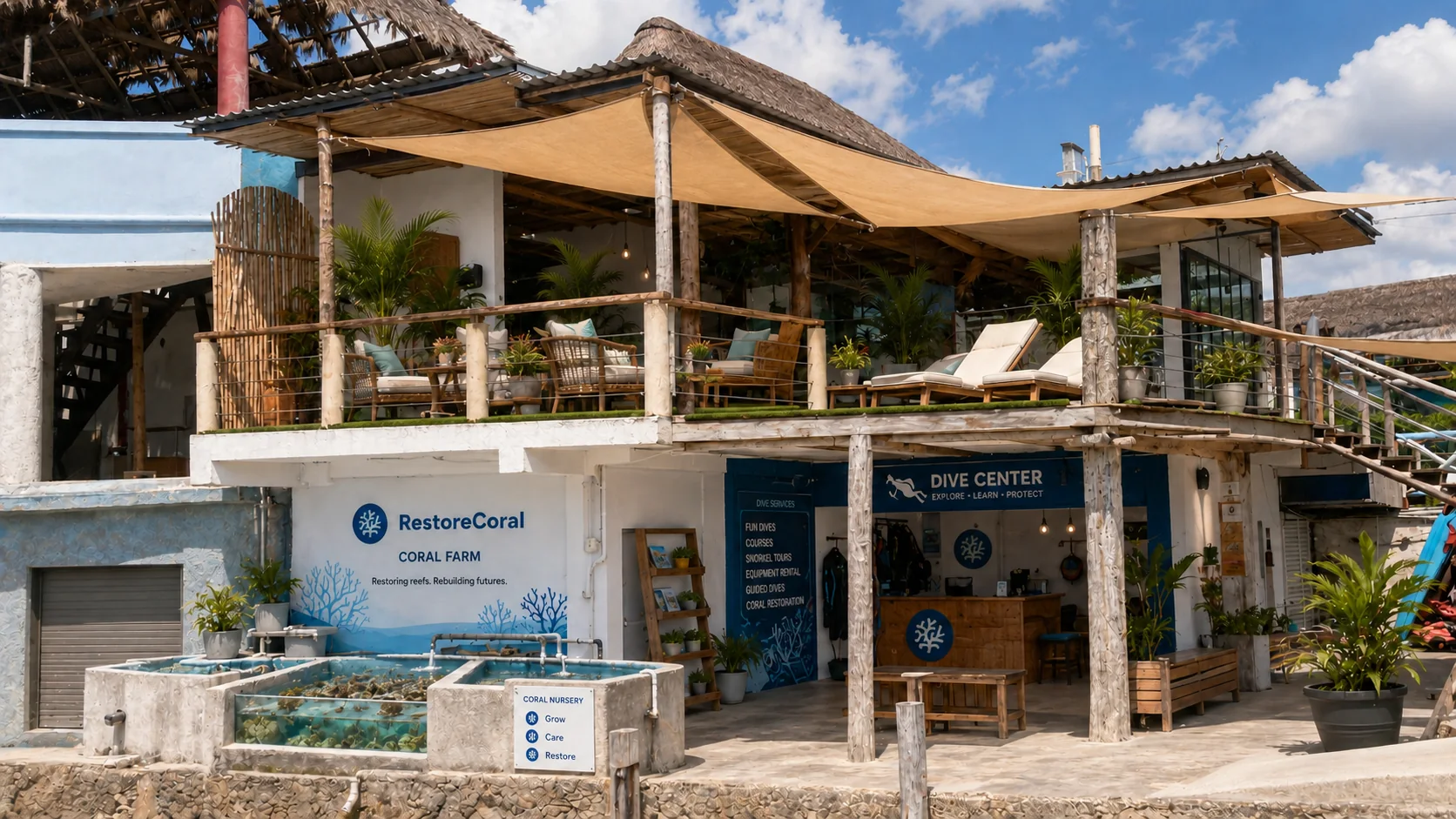
Cozumel is home to Restore Coral and to one of the most important reef environments in the Mexican Caribbean.
Our headquarters connects the work on land with the work in the water. It is a place for research, restoration planning and collaboration — built to keep science close to the reef it serves.
From research to the reef
We observe coral species and their conditions, cultivate fragments and larvae, prepare young corals for marine environments and apply what we learn to restoration work in the reef.
This connection between research and fieldwork keeps each decision grounded in a real place, with real species and changing ocean conditions.
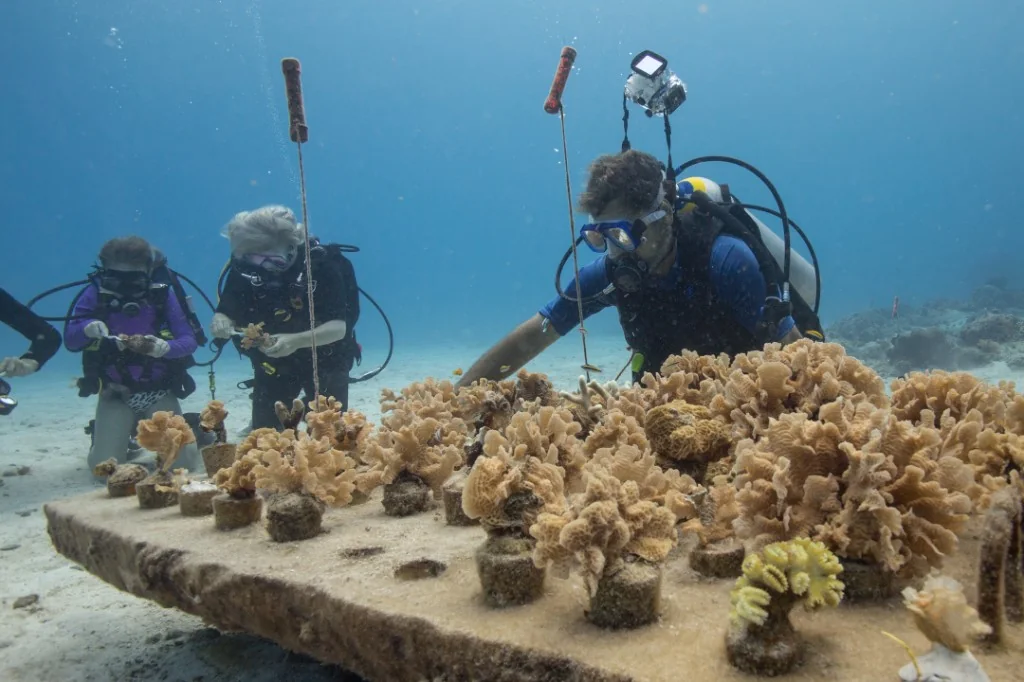
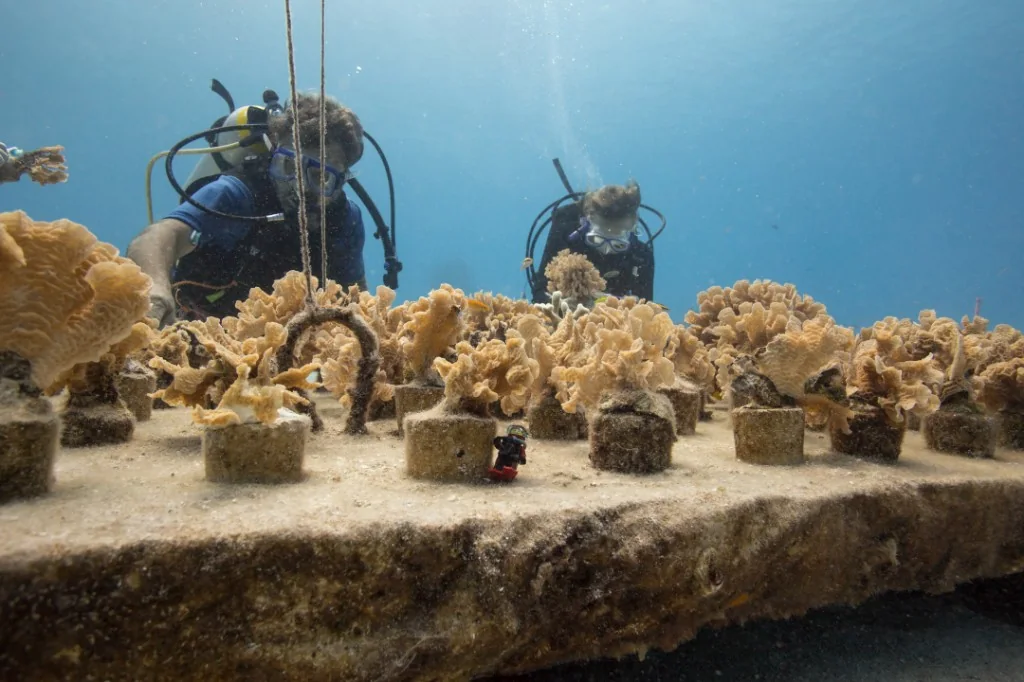
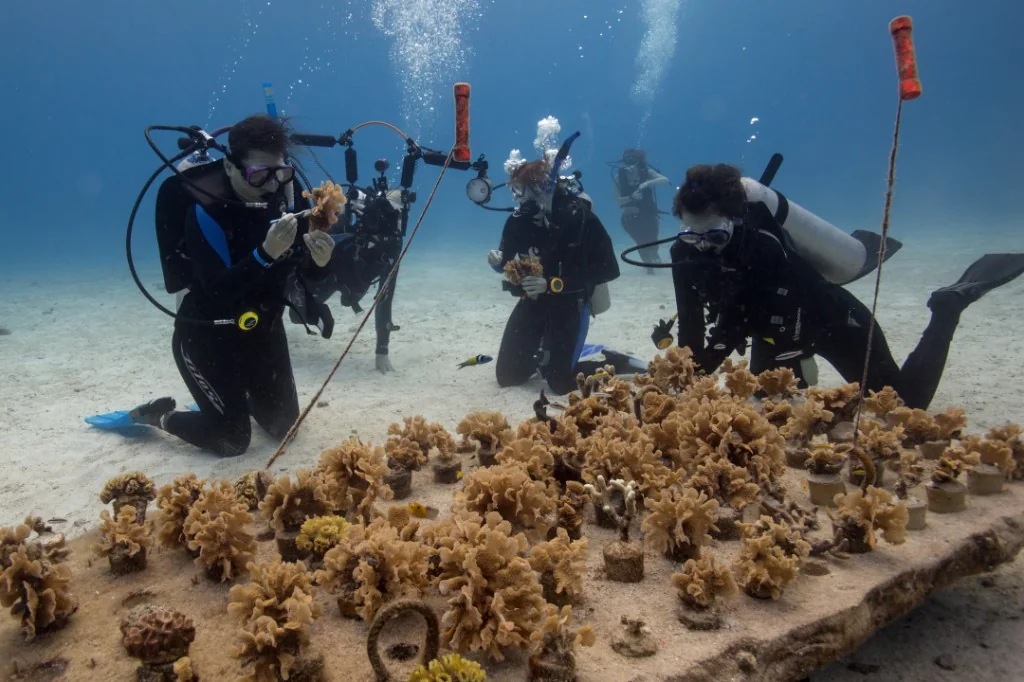
Collaboration
Marine biology, biotechnology, diving, data and local knowledge all have a role in coral restoration. We welcome collaboration with researchers, universities, students and institutions working to better understand and protect reef ecosystems.
Collaborate with usSupport coral research and the work connecting our headquarters in Cozumel with the reef.
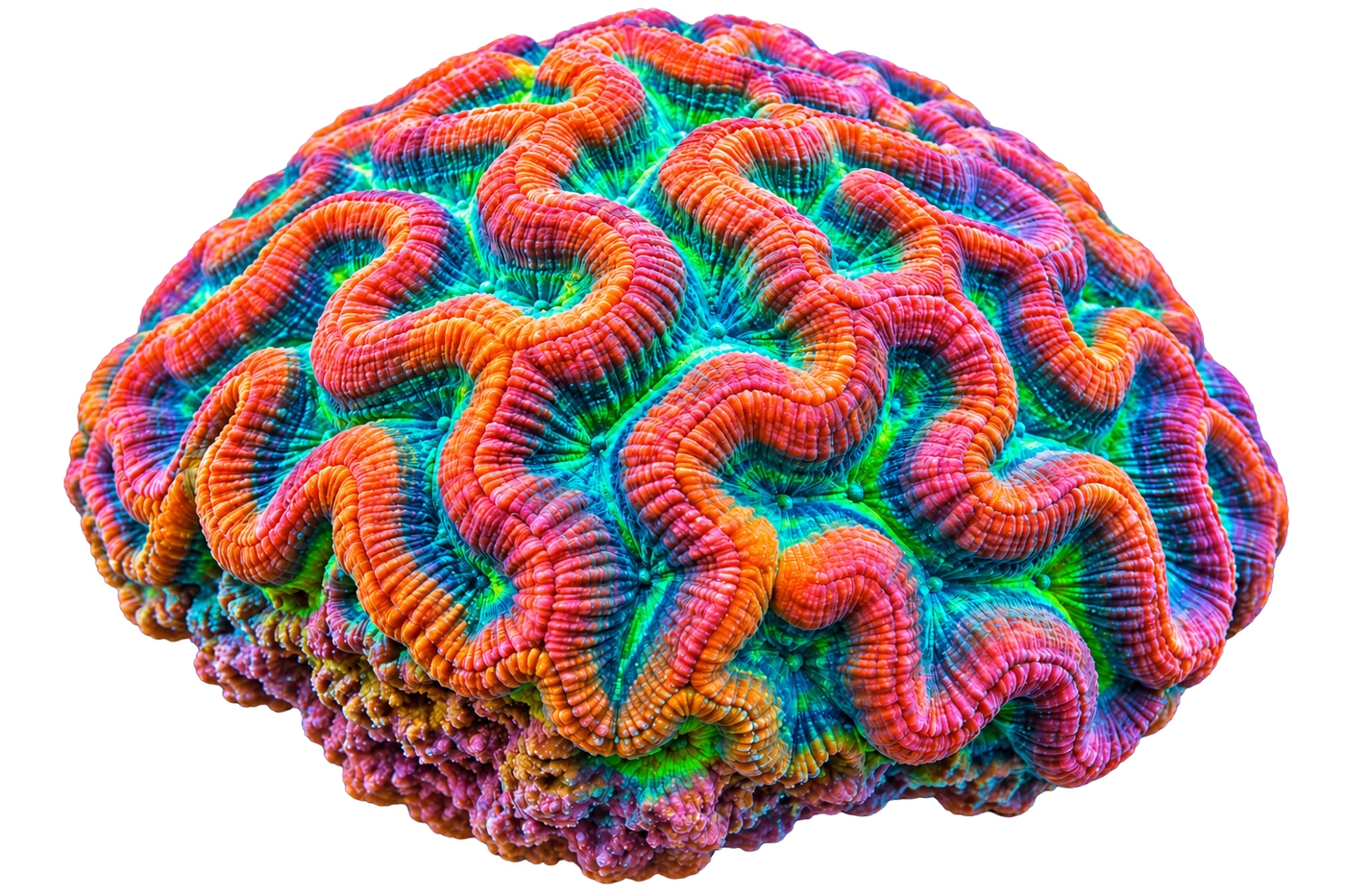 Take partAdopt a coral